pocoapocowithsmile


Leave a comment

Stuff

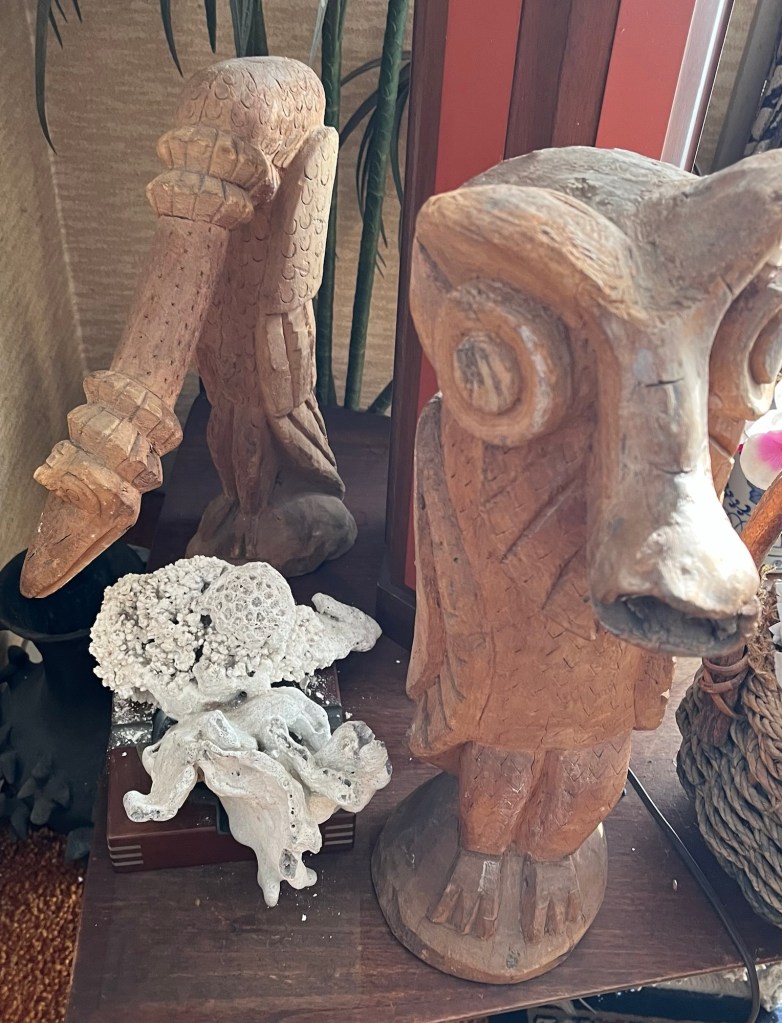
—The wooden birds at my parents’ living room—

Two months after my father’s funeral, I went again to Tokyo and spent the whole month sorting stuff at my parents’ house.

It was overwhelming. Amazing volume of stuff, like my mother’s clothes, kimono, her artwork of silk-dye paintings, bone china paintings, and her water color Japanese paintings, lots of gifts given to my father during his 30 years of working in Los Angeles, Indonesia and San Francisco, many of them still beautiful, carved on valuable teak woods that are now extinct, and also…there are many artworks my parents purchased….Where can I start?

I did my best to sort stuff to a pile of keeps, no keeps, and throw aways in that one month I was there. However, I was no way near finishing when I had to return to Canada.

It was beyond my imagination how difficult this task could be….I was stunned to see how wasteful…. I was surprised to find out how different we all are. Even family members have different views and values, different reactions, different tastes…..

Just after we arrived in Los Angeles in 1969, we went on a family driving trip to Mexico. The moment we crossed the border from the US to Mexico, the scenery changed drastically, from green lawns to brown desert. Dry dusty sands were blowing everywhere and tiny houses looked built with layered carton boxes. People looked poor wearing clothes torn and disfigured. I was shocked to see how differently inside and outside of the border looked.

We saw a man with brown tanned face wearing a big straw hat, putting some wooden carved birds at the roadside. My mother said, “how interesting! Can we stop and see?”

So we stopped our yellow Chevy Impala, got out, and looked the birds that this cheerful and friendly man had carved. The birds were so simple, not even oil stained, but so interesting and cute.

From that day, for 55 years the birds sat in the corner of my parents’ living room and watched over us. Whenever I saw these birds, I thought of the man’s smiling face, his straw hat, the burning sun, the dry sand, the poor villages….. I couldn’t dare throw the birds away. I wanted to send them to Canada. However, I was told that since the birds were carved with untreated wood, they would not be permitted to enter Canada. I was crushed…so sad.

After I came back to Canada, I received a message from my daughter in Tokyo. “Look who are here!” The wooden birds are now sitting in my daughter’s home! ‘Oh they were adopted!’ You wouldn’t believe how happy I was!

I was born in 1955, only 10 years after the end of World War II. I grew up during the time Japan was so poor, just recovering from the dreadful war, and there was nothing. Things were scarce and nobody had anything luxurious. ‘Do not waste things,’ ‘you have to take care of things’, ‘cherish your possessions’, my parents and grandparents told me over and over. Perhaps that’s why my heart aches when I see things that look completely fine thrown into the garbage pile. I hear the utterances of others…. I don’t want this… I don’t want that… it’s not my taste…. it doesn’t suit my house….,I don’t have the space for this…..

I know it’s a popular trend to get rid of things, keeping the bare minimum, and living a simple life as an extreme minimalist.

However, I can’t do that. Of course, I don’t agree with the lifestyle with too much stuff, the house turning into a hoarder’s.

But for me, stuff is part of my history.

I would like to treasure things that bring back memories. I want to keep loving stuff that had dear meanings in my life. I would like to value my relationships with those special things.

After all, did you know that Zen Buddhism which is supposed to have had immense influence on Japanese culture, actually teaches that ‘things’ have souls as well?

—The wooden birds in my daughter’s home—

2024年の年末に父が他界した。お葬式の2ヶ月後、私は再度帰国してまるまる1ヶ月ほど実家の整理に明け暮れることになった。実家は亡き母の洋服や着物、母の作品である紅型染や陶器の絵付けや日本画の数々、亡き父の30年にわたる海外駐在中に贈られた置物の数々(多くは今は絶滅したとされる美しいチーク材だ)、それに加えて両親が購入した記念品や美術品で溢れ、どこから手をつけて良いやらわからない状態。とりあえず手をつけられるところから、処分したり片付けたり、できるだけのことをしてカナダに帰ってきた。

それにしても何と難しいことか。なんと無駄が多過ぎることか。物に対する考え方が人それぞれどれだけ異なることか。考えさせられることが多かった。

1969年、ロサンゼルスに父の転勤で落ち着いたばかりのころにメキシコまで初めて家族でドライブ旅行をしたことがあった。アメリカからメキシコの国境を超えた途端、景色が緑の芝生から褐色の乾いた砂漠へとガラッと変わった。砂ぼこりの舞う乾いた土地に、まるでダンボールを重ねただけのように見える小さな家々、ボロボロの服をまとった人々の姿にショックを受けたことをはっきり覚えている。

そんな道端で一人の麦わら帽子をかぶったおじさんが素朴な木彫りの鳥たちを並べていた。母が目ざとく見つけて「面白いね、ちょっと止まって見てみようよ」と言う。私たちは道端に黄色いシェブロンのインパラを停めて、日焼けした人懐っこい顔のおじさんの木彫りの鳥たちに見入った。本当に素朴で木にニスも何も塗ってない、ただ彫っただけの鳥たち、でも何とも愛嬌があって面白かった。

その日から55年以上も2羽の木彫りの鳥たちは実家のリビングルームの一角で私たちの生活を見守り続けてくれた。鳥たちを見ると必ずあの日のおじさんの笑顔が、乾いた強い陽射しが、貧しい村々が、私の胸によみがえってくる。どうしても捨てられなくてカナダに持って帰ろうと思ったら、加工されてない生木の作品だから検疫を通れないと聞いて、泣く泣くあきらめることになった。がっかり…悲しかった。

カナダに帰ってしばらくしたら東京に住む娘の知香から写真が送られてきた。「ここに居るのはだーれだ?」何とあのメキシコの生木の鳥たちが娘の家にちんと居座っているではないか。ああ、引き取ってくれたんだ、と無性に嬉しくなった。

私は1955年生まれ。戦後10年の物のない時代に生まれて、『物を粗末にしてはいけない、大事にしなければいけない』と言われ続けて育ってきた。そのせいか、『これもいらない、あれもいらない、家に合わない、家が狭い、置き場所がない、』とどんどん捨てられていく物たちを見ていると胸が痛む。

今流行りの、物を捨ててすっきり、最小限の物だけで暮らすのが良いとするミニマリストの極端な考え方にはついていけないものを感じる。もちろん物がありすぎてゴミ屋敷になるのは困るけど、想い出に直結した物を大切にすることも大事なんじゃないか。生きてきた軌跡を愛でることは単なるおセンチだとは私は思わない。

『物にも魂がある』というのは大切な禅の教えじゃなかったっけ?

1 Comment

Funeral

My father in 2019

My father’s funeral was held at his church in Tokyo. It was a Christian service. Although the minister of the church had never met my father, he performed a heartfelt, sincere service that I truly appreciated.

Although I appreciated the funeral service, I didn’t feel peaceful about everything else after the service. The farewell staging was so pretentious that it left me cold. I have to note that it was after the church service and it had nothing to do with the minister or the church.

The farewell staging, or final goodbye, included some discomforting rituals.

The funeral director from the undertaking company, for example, told us to stroke my father’s face to express our love. The family members all stroked the icy cold face.

I also felt awkward sitting in the hearse which was driving off from the church while a group of people singing hymn were seeing it off. It reminded me of a scene from a century old black & white movie. The hearse carried my father and us to the crematorium.

And more dreadful ritual was that the family members picked up his burnt bones with chopsticks and placed them into the urn.

It didn’t sit well with me at all. I felt extremely uncomfortable. People say it’s just how funerals are conducted in Japan. It’s one of those cultural things. It sure is a big cultural difference. But it was not just that. Something was making me feel uneasy. What was it? I kept wondering.

It’s been almost 3 months passed since that funeral day. Thinking back now, I feel that the reason I felt so uneasy could be coming from my fundamental lack of understanding.

What is the objective of the funeral? I feel that in Japan the focus of the funeral is on “death”. It reminds us over and over that the person is now dead.

The focus of a funeral in Canada, where I have been living for the last 35 years, is more on “life”. The life the person lived is remembered.

I still remember how the cold face felt on my palms. It was something I didn’t want to remember. I wanted my father to be alive in my memory until the day I die. I wanted him to be a healthy lively person with a warm and beautiful soul, not a cold corpse or fragile bones.

Experiencing such a cold face would be too shocking for my little grandchildren. I worry that they would only remember that coldness rather than the warm smile and beautiful bass voice of their great grandpa who loved them.

My heart sank. It was the saddest day of my life.

父のお葬式はキリスト教の教会で行われたとはいえ、日本の典型的なお葬式であったことは歪めない。日本のお葬式とカナダのお葬式はなんだか根本的に違う気がする。お葬式の式自体は、父に会ったこともない牧師さんだったとはいえ、心のこもった誠実な式だったと思う。

でも式の後のお別れの演出が何ともわざとらしくて嫌だった。例えば葬儀社の人が、親族の人たちに、冷たくなった父の顔を撫でるように誘導したり、霊柩車を見送るときに讃美歌を歌いながら見送ったり…。そうしてそのまま火葬場に行ってお骨拾いをしたり…。

何か違う、なにかそぐわない気がして抵抗感があった。もちろん文化の違いだと言われればその通りだと納得せざるを得ないのかもしれない。でも何か違う。何だろう、どうしてこんなにモヤモヤするんだろう、とずっと考えていた。

3ヶ月たった今思うと、結局、根本的にお葬式の意義というか、目的というか、フォーカスのようなものが私の知っているカナダのお葬式とは違うような気がするのだ。つまり、日本のお葬式は『死』がフォーカスであるのに対してカナダのお葬式は『生』がフォーカスなのかもしれないと思った。日本のお葬式がその人が死んだことを、これでもかこれでもかと強調するのに対して、カナダのお葬式はその人の生きた人生を強調する。もう35年もカナダに住んでいる私はそういうカナダの感覚に慣れきっているのかもしれない。

私は正直言って冷たくなった父の顔を撫でてその冷たい感触がずっと手を通して私の中に記憶されるのに抵抗を感じる。父は私の記憶の中でずっと生きていてほしい。いつまでも元気で温かい父の感触を覚えていたい。死んで骨になった父ではなく、生きていた元気な父をいつまでも覚えていたい。孫や小さな曾孫が曾祖父さんのことを、触ったときの氷のように冷たい感触として覚えるのではあまりにもせつないではないか。温かい笑い顔を、美しい低音の声をいつまでも覚えていてもらいたい。

無性に切なくて胸が痛む1日だった。


Leave a comment

My Father

My father lived more than 13 years after my mother passed. He lived to be almost 97 years old. People say, he had a long happy life. Yes, for sure, he did have a long life. However, his last 13 years must have been terrible. I cannot believe he had ever felt anywhere near “happy”. Perhaps some natural defense mechanism had kicked in, possibly in order to blur his loneliness, his memory had started to deteriorate little by little. It eventually took away his ability to recognize us, his family faces. He could not remember us despite our strong kinship. He had dementia.

Dementia is a terrifying disease. I read an article about it describing what it would be like. Imagine sitting in an airplane all by yourself, not knowing why, definitely not because you want to go somewhere. The plane takes off and lands somewhere and you have to get off. You see people everywhere, surrounding you and talking. But you don’t know anybody. You don’t understand a word they are saying. You feel helpless, you don’t know what to do. Some people look aggressive, and you feel they may harm you, but there is no way of defending yourself. You are totally alone.

My father must have felt like this for the last several years, fearful and devastated. How terrifying it must have been.

I am sad I was helpless, powerless and worthless for him. I couldn’t do anything. I couldn’t even be physically with him, just sit with him, help him feel at peace. Of course I was living far away, but still…..

My father was the person who was always quick to help me when I got in trouble, in tears, or feeling lost and overwhelmed. He was also quick to celebrate my joyous moments, flying to wherever I was.

It hurts to recognize that I was utterly useless when my father needed me the most, and there is no other chance left for me to make it up.

母が亡くなっておよそ13年たって父が亡くなった。もうすぐ97歳だった。長生きしたね、幸せな人生だったね、と人は言うかもしれない。でも母が亡くなってからの13年間は決して良い人生だったとはいえないと思う。一人ぼっちになった寂しさを忘れるためかのように少しずつ少しずつ記憶が薄れていって最期の数年間は娘たちのことも忘れてしまったように見えた。いわゆる認知症だったのだと思う。

認知症というのは恐ろしい病気だという。どこかで読んだことがある記事によると、まるで自分の意志とは無関係に飛行機に乗せられ、たった一人、どこだかわからない知らない国に連れて行かれるようなものだという。言葉もわからない、知っている人もいない、みたこともないところで降ろされ、放り出されるようなものだという。怖い顔をされても酷いことをされても自分を守る術もない。そんな状態で最期の数年を生きた父、どんなにか恐ろしい思いをしたことだろう。どんなに寂しかったことだろう。

遠い国に住んで近くにいなかったとはいえ、何の役にも立てなかった、いっしょに座っててあげることもできなかった。慰めの言葉さえかけてあげられなかった自分の非力さを思う。

私が困ったとき、悲しかったとき、圧倒されてどうしようもなかったとき、不安に打ちひしがれていたとき、いつもさっと救いの手を差し伸べてくれた父。その父が一番救いを必要としていたときに私は何もしてあげられなかった…何ともやるせない。


2 Comments

Our Trip to New Denver, BC ブリティッシュコロンビア州ニューデンバーへの旅

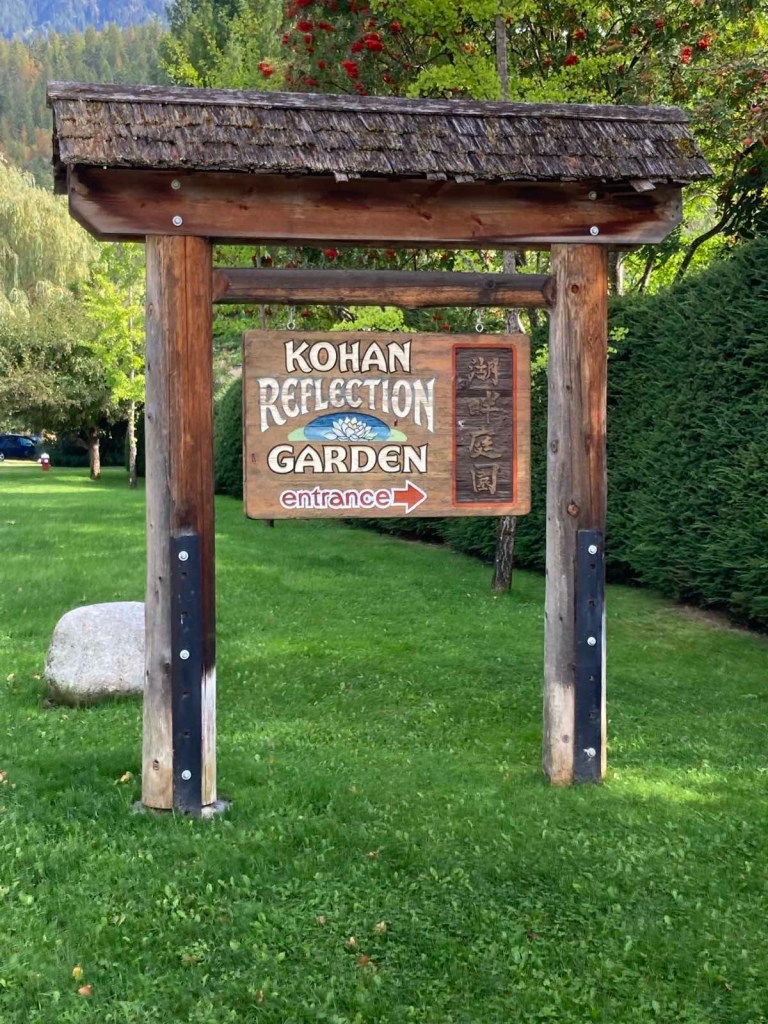
Recently, we watched a program on the Knowledge Network about Japanese gardens in Canada. UBC Nitobe Garden in Vancouver, Japan Canada Yukoo Garden in Lethbridge, Alberta, and Kohan Reflection Garden in New Denver, B.C. were introduced. There were some explanations of who, how, and why these gardens were created. Histories, ideas, and some background behind these gardens were briefly mentioned.

I have to confess that although I have 32 long years of living in Canada, somehow, I never had the chance to learn or even be interested in the history of Japanese Canadians. Watching this program was an eye opening experience for me.

We had a long and beautiful summer this year. Neil and I were thinking of going somewhere on a driving trip with our two dogs before rain arrived. It would be perfect to go to New Denver to visit the garden and learn the history.

When I told our dear friend, Allen, about this idea, he said I must read Obasan by Joy Kogawa before the trip. It was indeed excellent advice!

So a sunny day in mid September, we departed our house in Powell River and started our week-long driving trip to the interior of BC.

New Denver was far. We stayed at a motel in a quiet little village called Fauquier after crossing Arrow Lake by a cable ferry.

We arrived in New Denver the next day. It is a picturesque old little town by Lake Slocan. Nikkei Internment Memorial Centre and Kohan Reflection Garden were on the other side of a river, separated from the town by a bridge.

We saw a big bear in the park near the Kohan Garden, devouring something from a garbage box.

In this quiet old town about 1,400 people live. There are some more small villages and ghost towns in this area surrounded by mountains and lakes. It was hard to believe that in the 1940’s 22,000 Japanese Canadians were squeezed in this small area.

They were all uprooted from their houses and businesses on the west coast of BC. They were first stuffed in the smelly animal sheds in Hasting Park in Vancouver for months, then brought to Slocan by train, then to New Denver area by boats. Amazingly, 75% of those people were Canadian born or naturalized Canadian citizens!! Men between ages 20s to 60s were sent to physical labor camps, forced to construct railroads or highways. Women, children, and older people were sent to these internment camps.

…..What?…. I have heard that many Chinese laborers were brought from China to work on the railroad constructions. I didn’t know Japanese Canadian men were forced to work in such construction sites as well……Many of them were fishermen or farmers. They were removed from their works, properties, and families, and shipped to work in those constructions….and they were all legal Canadians… how terrible….I didn’t know….

Their properties which they had worked so hard to earn …including tools, boats, cars, radios….were taken away, looted, and auctioned off. The government approved to sell their belongings, THEN charged them the handling fees for selling!

They could not return to their houses… ever. They were not even allowed to exist in the west coast of BC for several years even after the war.

People were allowed to take their necessities as much as they could carry by hand. They had to watch from the bus windows as their houses were looted as their buses drove away.

Apparently, discriminations towards Japanese Canadians started way before the Pearl Harbour. There were various systematic legal discriminations against them, e.g., taking away and banning their rights to obtain fishing license, not allowing them to engage in certain occupations like lawyer, medical doctor, teacher….etc. As they became successful in their fields, regulations were put on to prevent their success. The systematic discriminations were already escalating and broadening by the time Pearl Harbour happened. Pearl Harbour only provided a good reason for their removal.

They were Canadian citizens whose ancestors came from a country which happened to become an enemy…just like German Canadians or Italian Canadians. Imagine the lives of immigrants; they must work extra hard from zero in the new land, in an unknown environment, with an unfamiliar language, to build up their means of survival. And then everything they had built was taken away…just to make them suffer….just because they were Japanese descendants………..

Older people, children, and women were sent to interior BC like New Denver. They had to live through the first winter in thin canvas tents. Materials and tools to build the camp did not arrive for many months.

How did young mothers with babies live without privacy? How did sick people survive in such poor conditions?

There were voices amongst white Canadians, “Japs deserve to suffer, they should suffer to the maximum”

This is certainly not the Canada I know. How sad…

After the war was ended, Japanese Canadians were uprooted again. They were forced to make a choice of moving further east and work in places like sugar beet farms, or board ships taking them back to Japan.

For most of the Canadian born people, Japan was a foreign country. They didn’t speak the language or have anybody who could help them. Moreover, Japan was in total chaos. Many cities were bombed out heavily, people had lost their places to live, no food to eat….they themselves were struggling to survive.

Despite all that, many Japanese Canadians chose to board the ships out of deep despair. They felt there was no future, no hope for them in Canada.

After people left New Denver, the internment camp was bulldozed over to a bare field, as if nothing had happened… In 1989, the Japanese garden called Kohan (it means Lakeside) Reflection Garden was created. A young garden designer from Japan transformed this land of tears and sorrows to a beautiful garden. It is now a public space, open to everybody.

Beautiful town, beautiful park, with a sad history….

This was such a moving trip. I am still reading more books about the Japanese Canadian history. I would love to go back there again.

最近、テレビでカナダにある日本庭園を紹介する番組を観た。バンクーバーのニトベガーデンやアルバータ州レスブリッジの日加友好ガーデン、ブリティッシュコロンビア州の内陸部ニューデンバーにある湖畔ガーデンが紹介された。なぜ誰が何を想ってつくった庭園なのか…日系カナダ人の歴史についても簡単な説明があった。

私は今まで日系人の歴史については知識もなく、大して興味もなく、カナダに住んで32年にもなるというのにあまりにも無知だった。この番組に啓発されてニューデンバーに行ってみたいと思ったのだ。

折りしも夏の終わり、ちょうどドライブ旅行をしたいね、とニールと話していたところだった。

ニューデンバーに行って日系カナダ人の歴史に触れたいと友人のアランに話すと、「それは良い。行く前に絶対ジョイ・コガワの『おばさん』を読みなさい」とアドバイスしてくれた。

素晴らしい晴天の続く9月の半ば、私たち2人と2匹はパウエルリバーの我が家を出発、約1週間のドライブ旅行に繰り出した。

ニューデンバーは遠かった。アロウレークという湖にあるケーブルフェリーを降りてすぐの静かな村でまずは一泊、あくる日やっとニューデンバーにたどり着いた。スローカン湖のほとり、歴史を感じさせる古い建物が並んで絵のように美しい。日系カナダ人のメモリアル記念館は川を渡って、町の中心部とは離れたところにあった。

大きな熊が近くの公園で残飯をあさっている。

こんな平和で一見、昔から何も変わらないように見える町、現在の人口は約1400人だという。40年代にこの町と周辺の山奥の村やゴーストタウンとに合わせて22000人もの日系カナダ人が収容されたという。しかもそのうちの75%がカナダで生まれたれっきとしたカナダ人だったという。20歳から60歳くらいまでの男性は鉄道工事や道路工事などの労働に強制的に送られ、女性、子供、老人はこれら山奥の収容所に送られたそうだ。

え? 中国人の労働者が鉄道工事のために中国から連れてこられたという話は聞いていたけど、日系人も強制労働させられたんだ……全然知らなかった…

日系人たちは住み慣れた土地家屋を没収され、車やボート、ラジオなどの電化製品も取り上げられた挙げ句、政府の手でそれらを二束三文で売り飛ばされ、そのうえ売却手数料まで差し引かれて、文字通り無一文になってしまったそうだ。

自分の手で持てるだけの荷物のみを持ってくることを許されたという。

しかも戦争が終わったあとも数年にわたってブリティッシュコロンビア州に戻ることは許されず強制収用は続き、家や家業を取り戻すことは結局生涯できなかったという。

しかも、日系人に対する差別は、戦争時に始まったことではなく、その前から様々な形で表れていたそうだ。漁業、農業従事者に対してはもちろん、弁護士、医者、教師などの職業に就くことを禁じられるなど、多岐にわたったらしい。日系人がカナダで成功することを妨げる法律が次々と認定されて差別がエスカレートされていったという。そこに真珠湾攻撃が起こり、日系人を追い出す格好たる口実ができたというわけだ。

何の罪もない人たち、ただただ懸命に働いて豊かな生活を築こうとしていた人たちをここまで苦しめていたとは…ショックで言葉が出ない。

老人、子供たち、女性たちが送られたニューデンバーでは住居のキャンプが間に合わず、最初の冬は厳しい寒さの深い雪の中、薄っぺらい布テントで寝泊まりさせられたという。

「ジャップは最大限苦しめばいい」と叫ぶ声も多々あったらしい。

ショックで胸がドキドキしてくる。これは私の知っているカナダではない…

プライバシーもないに等しいところで、赤ちゃんを抱えた母親たちはどうやって過ごしていたのか。お年寄りや病人たちは厳しい寒さの中どうやって耐え抜いたのか。

戦争が終わってからも日系人たちはさらに東方の収容所に移動して砂糖大根などの農場で働くか、敗戦後の日本への船に乗船するかの選択を迫られたそうだ。多くの人々にとっては日本は見知らぬ所で知った人もいない、言葉もわからない外国、しかも日本は敗戦後の混乱で食べるものもなく焼け野原で住むところもないような状態、それでも多くの人たちが、収容所生活に絶望して日本に向かったという。

そんな日系人たちの血と涙で塗り固められた収容所の跡地にこの『湖畔ガーデン』は造られた。収容キャンプは跡形もなく撤去され、美しい日本庭園に変身して、一見何事もなかったかのように見えるニューデンバー。そこに眠る悲しい歴史。

なんだか深く感じ入るところがあって、旅の後も引き続き日系人の歴史に関する読書を続けている…

もう一度行きたいな。

今度行くときはまた違った印象を持つかもしれない。


Leave a comment

What’s my identity? 私って何人?

The other day Neil and I went to a bank to open a GIC account. A young handsome guy working in the bank sat with us, explained options, and went through a lengthy procedure, and finally we were done. We stood up to say good bye, and at that moment….don’t know why….but I said to the guy something totally irrelevant.

“Thank you for saying my name right. I have been impressed that you pronounce ‘Haruyo’ so well. Not many people can do that…you know.”

The young lad’s face instantly lightened up. “Ever since I was a kid I was an enthusiastic fan of a Japanese animation called Captain Tsubasa. There were times I actually told people that my name was Kakero!”

“I would love to go to Japan. It has been my dream for a long time!” etc. etc.

So… we sat down again and listened to his story.

He said, when Genghis Khan invaded northern Pakistan in early 12th century, some Mongolian soldiers stayed back in the region. Their descendants still live there today, and he was one of them. His ancestors were Mongolian. He was born and raised in Pakistan, but was educated in England. Now, he is a Canadian!

Wow….what an interesting background! It sounds so much like Canada!

Then, I thought. Wow, well….then, what am I? What’s my identity?

Yes, my parents are Japanese. I was born and raised in Japan. So, racially, I’m a Japanese. At age 13 I moved to USA and lived my formative years there from Grade 8 to University Freshman. I went back to Japan at age 18, finished my undergraduate, got married to a Japanese man, and gave birth to 3 children. When the children were 8, 6, and 3 years old, we moved to Canada and it’s been 30 years since. In that time, my marriage broke down, I got divorced, and my children grew up with me in Canada. I studied in graduate school, worked in education, building, and music fields, raised my children, and remarried a Canadian person 20 years ago. I still have a Japanese passport, but my life is centered in Canada, and I am a permanent resident of Canada.

Hummmm…. so? I know for sure that I’m not an American.

Then, am I Japanese or Canadian?

2 weeks ago when I was coming back from Japan, I noticed in the plane that the screen in front of my seat showed where we were flying. It was about 30-40 minutes before the arrival time. The screen said “Comox”. What? Comox? So are we flying just above Comox? Thick dark clouds were hiding any views downwards. Then the screen showed “Powell River”. Right between Comox and Powell River there is Texada Island.

Straight below me lies my beloved Texada Island!! I am back….!!

Non-describable feelings of joy and excitement slowly bubbled up from somewhere deep in myself. I was surprised to realize such a reaction.

I am a person with Japanese face, with families in Japan. I love Japan…people, culture, food….everything about Japan. Yet, I deeply love Canada. It felt like I had an epiphany moment to realize that I might already be a Canadian at heart.

Whatever that was, Japan and Canada are both beautiful, caring, respectful, and sincere nations. So wonderful that there are people waiting for me in both countries. What Blessings!

先日カナダのとある銀行に定期預金の口座を作りに行ったときのことだ。若いハンサムな銀行員のお兄さんが、いろいろなが〜い案内や手続きをしてくれて、やれやれやっと終わったかなと思ったとき、私が余計なことを言った。

「さっきから感心してたんだけど、ハルヨって上手に正しく発音してくれてありがとうね。なかなか正しく発音してくれる人に出会わないのよ。」お兄さんの顔がパッと輝いた。「僕、子供の頃からキャプテン翼の大ファンだったんだ」「僕の名前はカケローだって言いふらしてた時期もあったんだ」「日本に憧れてる。いつか日本に行ってみたいんだ」などなど、とくとくと話し出した。

12世紀にパキスタン北部をジンギスハーンが侵略した際のモンゴル人の残兵の末裔がいまだに住んでいる部落があるそうな。お兄さんはその部落の出身で人種的にはモンゴル人、パキスタンで生まれ育ち、イギリスで教育を受けたと言う。現在はもちろんカナダ人。

うわー面白いバックグラウンドだね〜。カナダらしいなあ。

そこでハタっと思った。私はなんだろう。一体全体何人なんだろう。

そう。私は日本人の両親のもとに日本で生まれ日本で育った。人種的には完璧に日本人だ。13歳で渡米して中学2年から大学1年までのむずかしい時期にアメリカの学校に行った。18歳で日本に帰って日本で大学4年まで過ごし、日本人と結婚して日本で子供3人が生まれた。子供達が8歳6歳3歳の時にカナダに渡り、もはや30年。その間に夫とは離婚、子供達はカナダで成人した。私は大学院で学んだり教育や建材や音楽の仕事をしながら必死で子供達を育て、20年前にカナダ人と再婚した。パスポートは日本のパスポートだけど、生活の拠点ははカナダで、カナダの永住権を持つ。

うーん…😓、私はアメリカ人でないことは確か、でも日本人なのかカナダ人なのかは迷うところ。

2週間ほど前、日本からカナダに帰ってくる飛行機の中で到着時間の30分〜40分くらい前かな。なんとなく飛行機の現在位置を示すスクリーンを見ていたら、Comox 上空と出た。「え?Comox?」と思ったらPowell Riverという文字も出てきた。ということは… Comox とPowell Riverの間にタクセーダ島は位置するから…もしかして、今私はタクセーダ島の上空を飛んでいるのかも❣️

厚い雲にさえぎられて下界は全然見えないんだけど、私の愛するタクセーダ島はすぐ真下なんだ〜。

私は帰ってきたんだ…!

なんとも言えない喜びとときめきが心の深〜いところからフツフツと湧き上がってきた。そんな心の反応に当の私が驚いた。

日本人の顔をして、日本に親族がいて、人々も文化も言葉も食べものも日本の全てがが大好きな私なんだけど、やっぱり私はカナダが愛しい。私の心はあもうカナダ人なのかなぁと思った瞬間だった。

それにしても日本とカナダ、どちらも美しくて人間的で優しくて誠実な国。どちらにも私を待っててくれるひとがいるって素晴らしいことだよね。感謝。